

- Nine communities where foreigners can own freehold
- From a city apartment near the airport to a lagoon villa in the monsoon south
- Residency routes differ by community: compare before you choose
- One adviser across every community
Choosing a location in Oman
Foreigners can own property in Oman only in places the state has designated for it, so the map of where you can buy is short and knowable: a handful of integrated tourism complexes along the Muscat coast, the resort communities within an hour of the capital, Sultan Haitham City inland to the west, and Hawana Salalah a thousand kilometres south in Dhofar. Each has a different developer, a different character and, in one case, a different residency rule.
Start with what the purchase is for. A family relocating for work wants schools, the airport and the city within reach; a second-home buyer wants the coast and someone to look after the house; an investor wants tenants and an exit; a buyer whose priority is residency wants the fastest and surest route to a permit. The communities below serve those purposes differently, and this page compares them before the individual guides go deeper.
The communities compared
| Community | Setting | Property types | From Muscat airport | Residency route |
|---|---|---|---|---|
| Al Mouj | Marina, beach and links golf in the capital | Apartments, townhouses, villas; deep resale | 15 min | Owner Visa on registration |
| Muscat Hills | Golf community between airport and city | Apartments, townhouses, villas; resale | 15 min | Owner Visa on registration |
| Sultan Haitham City | Planned new city in Al Seeb | Apartments, townhouses, villas; off-plan | 30 min | Eligible at 30% paid; family above OMR 50,000 |
| Barr Al Jissah | Cliffs and coves next to the resort hotels | Premium villas and apartments; limited | 40 min | Owner Visa on registration |
| Yiti | New coastal masterplans south-east of the city | Off-plan villas, branded residences, apartments | 40 min | Owner Visa on completion |
| Muscat Bay | Resort village between mountain and sea | Villas, townhouses, hotel-branded residences | 45 min | Owner Visa on registration |
| Jebel Sifah | Marina and golf resort on the coast south of Muscat | Apartments, townhouses, villas; ready and off-plan | 60 min | Owner Visa on registration |
| Hawana Salalah | Lagoon resort in the monsoon south | Apartments, townhouses, villas | Salalah airport; 90-min flight | Owner Visa on registration |
Drive times are indicative and off-peak. For the city as a whole, read property in Muscat; for the case for the country, why Oman.
Which community for which purpose
Relocating with a family
Al Mouj and Muscat Hills put you within fifteen minutes of the airport, the international schools and the business districts, in finished communities with services already running. Sultan Haitham City is the value alternative from 2027, with schools and clinics built into the plan.
A second home on the coast
Jebel Sifah and Muscat Bay give you a resort-managed house an hour or less from the capital; Hawana Salalah gives a different climate altogether; Barr Al Jissah is the premium choice for a small number of buyers.
Investment and letting
Al Mouj for the deepest rental and resale market in the country; Sultan Haitham City for early-phase pricing and a tenant pool that arrives with the city; the resorts for managed holiday lets.
Residency first
Sultan Haitham City, where eligibility starts at 30% paid during construction. Elsewhere, a completed, registered home supports the sponsor-free Owner Visa, and villas above OMR 250,000 reach the Investor Residency tiers.
Where foreigners can and cannot buy
The communities on this page are integrated tourism complexes, approved projects or, in Sultan Haitham City’s case, a state-designated future city. In all of them a buyer of any nationality takes freehold, inheritable title. Outside them, including in most of Muscat’s older districts and the interior towns, foreigners do not own land freehold; long-term usufruct is the route for companies and for apartments in approved buildings. The designation is checked plot by plot in the sale agreement, not assumed from a brochure. See approved freehold areas and who can buy in Oman.
Climate, and why it decides more than you expect
Muscat is hot and humid from May to September and pleasant from October to April, which is the season the coast comes alive and the holiday-let calendar fills. Salalah is the reverse: the khareef monsoon from June to September turns the hills green and brings visitors from across the Gulf when the rest of the peninsula is at its hottest. Jebel Sifah and Muscat Bay are a few degrees cooler than the city on the water. Orientation, shading and air-conditioning plant matter more in Oman than in cooler markets, and we note them on every home we shortlist.
Getting there and getting around
Muscat International Airport sits on the western side of the capital, next to Al Mouj and fifteen minutes from Muscat Hills, with direct flights to the Gulf capitals, Karachi, Lahore, Islamabad, Mumbai, Delhi, London and the main European hubs. Salalah has its own international airport with a ninety-minute connection to Muscat and seasonal direct flights from the Gulf. Within Muscat the expressway runs east to west along the city; the coast road south-east reaches Muscat Bay, Yiti and Jebel Sifah. There is no metro; owners drive or use ride-hailing.
Schools, healthcare and daily life
Muscat has British, American, Indian and Pakistani curriculum schools, most of them in the western half of the city within reach of Al Mouj, Muscat Hills and Sultan Haitham City. Healthcare combines a strong public system with private hospitals used by most expatriates. Supermarkets, malls and restaurants cluster in Al Khuwair, Qurum, Al Mouj and the airport corridor. The resort communities rely on their hotels for dining and services and on the city for everything else, which is part of their appeal and part of what to plan for.
How we help you choose
- BriefPurpose, budget band, timing and whether residency for the family is part of the plan.
- Two or three communitiesNot nine. We rule places out as readily as in, and tell you why.
- Current unitsFloor plans, prices and payment plans for what is actually available in each.
- ViewingOn site over two or three days, or by live video from the communities.
- Decision and purchaseReservation, agreement, registration and residency on the route that applies.
See property sourcing and top areas to invest.
Explore the communities
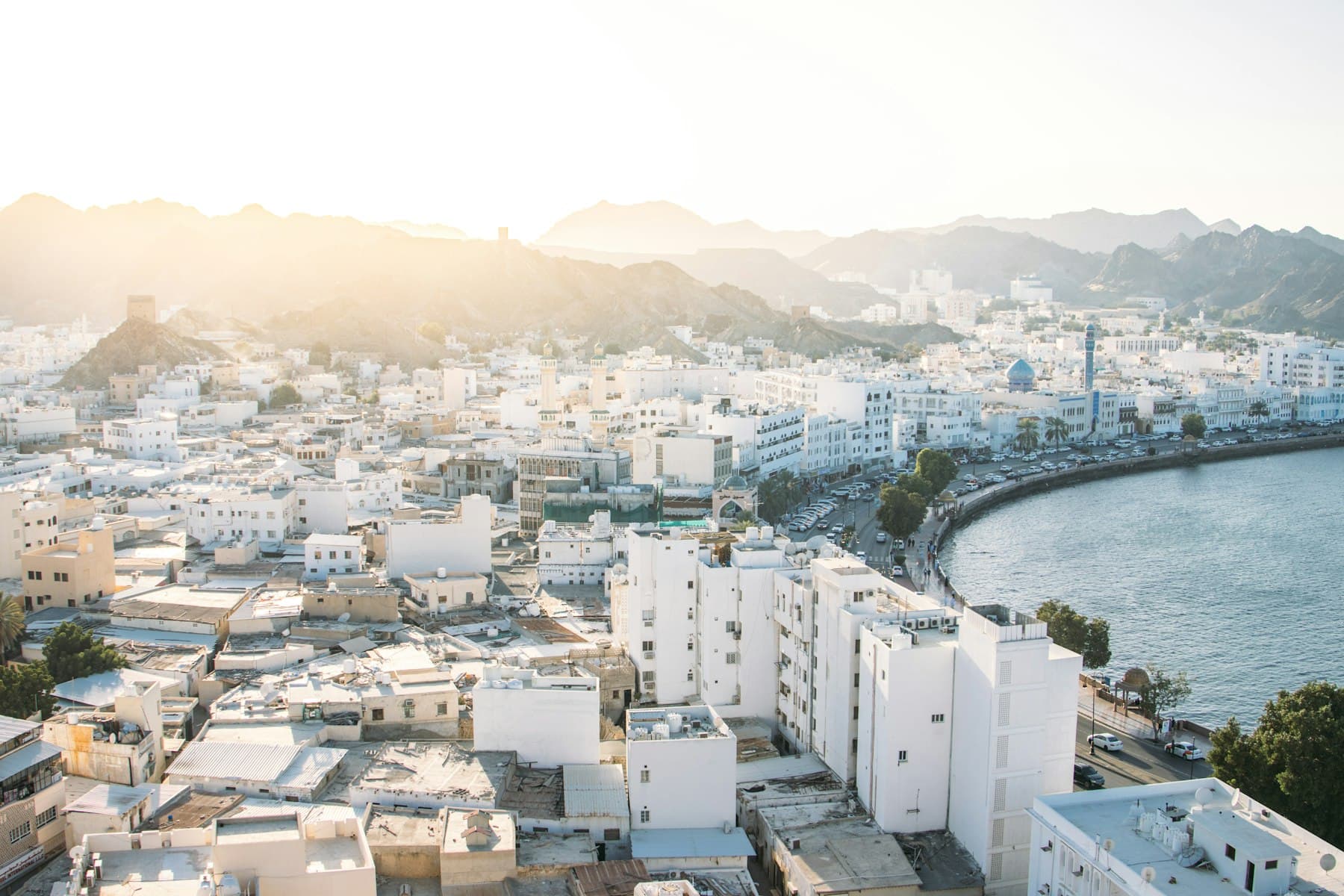
Property in Muscat
Oman’s capital: a low-rise coastal city between the mountains and the Gulf of Oman, home to the country’s established…
Explore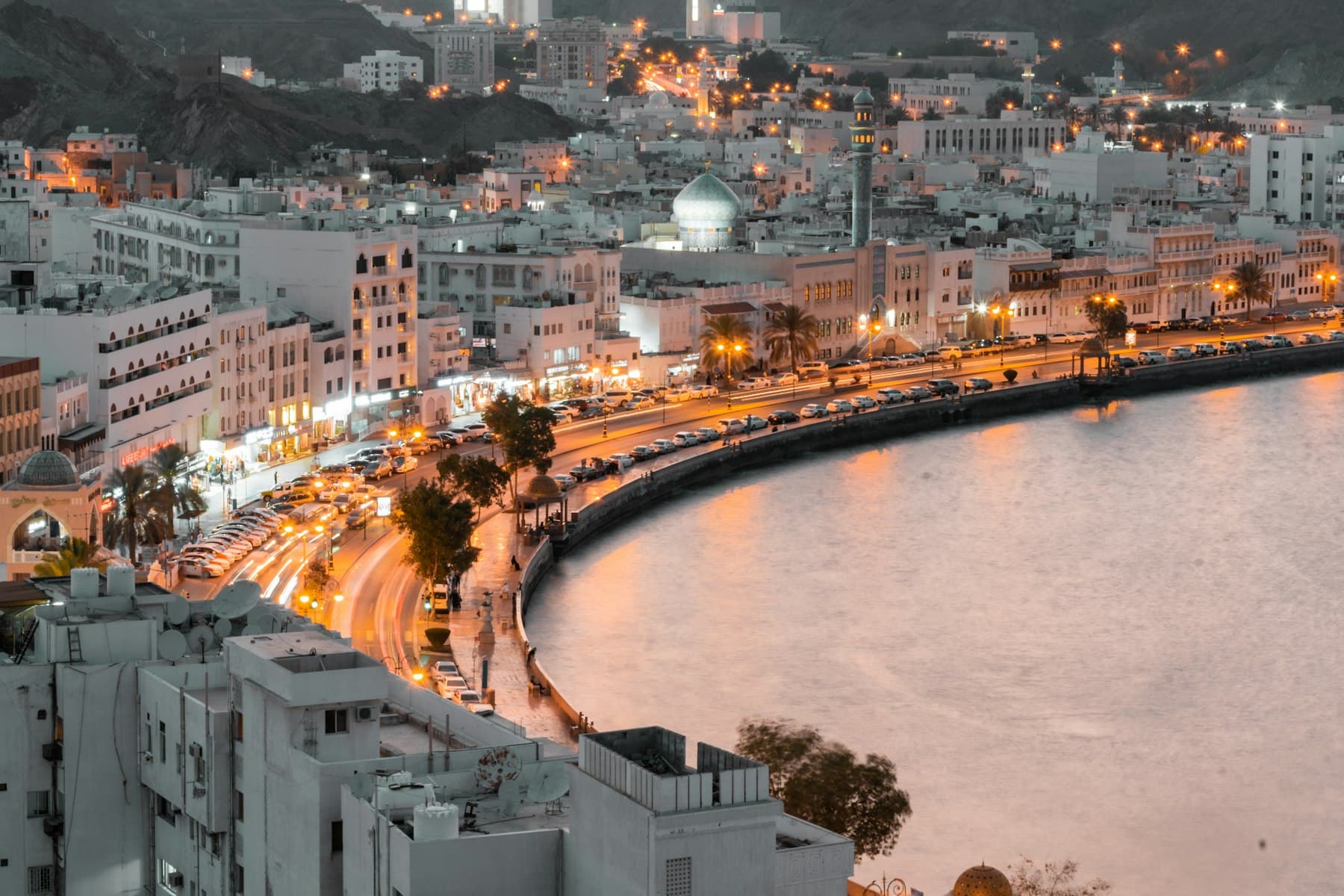
Al Mouj Muscat
Oman’s most established freehold community: a marina, a links golf course, beaches, cafés and a walkable waterfront,…
Explore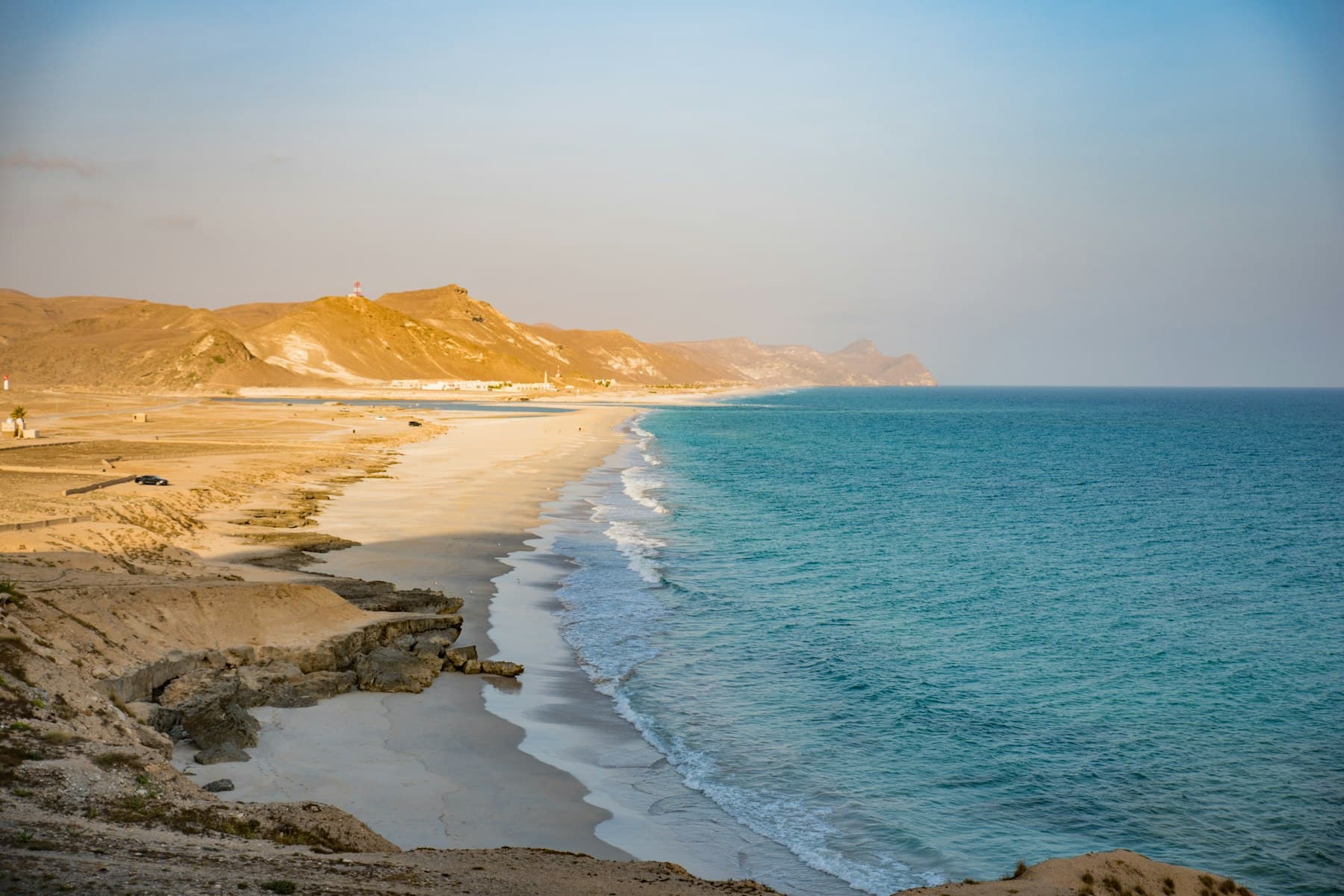
Jebel Sifah
A beach-and-marina resort town on the coast south of Muscat, where the Hajar mountains meet the sea: villas,…
Explore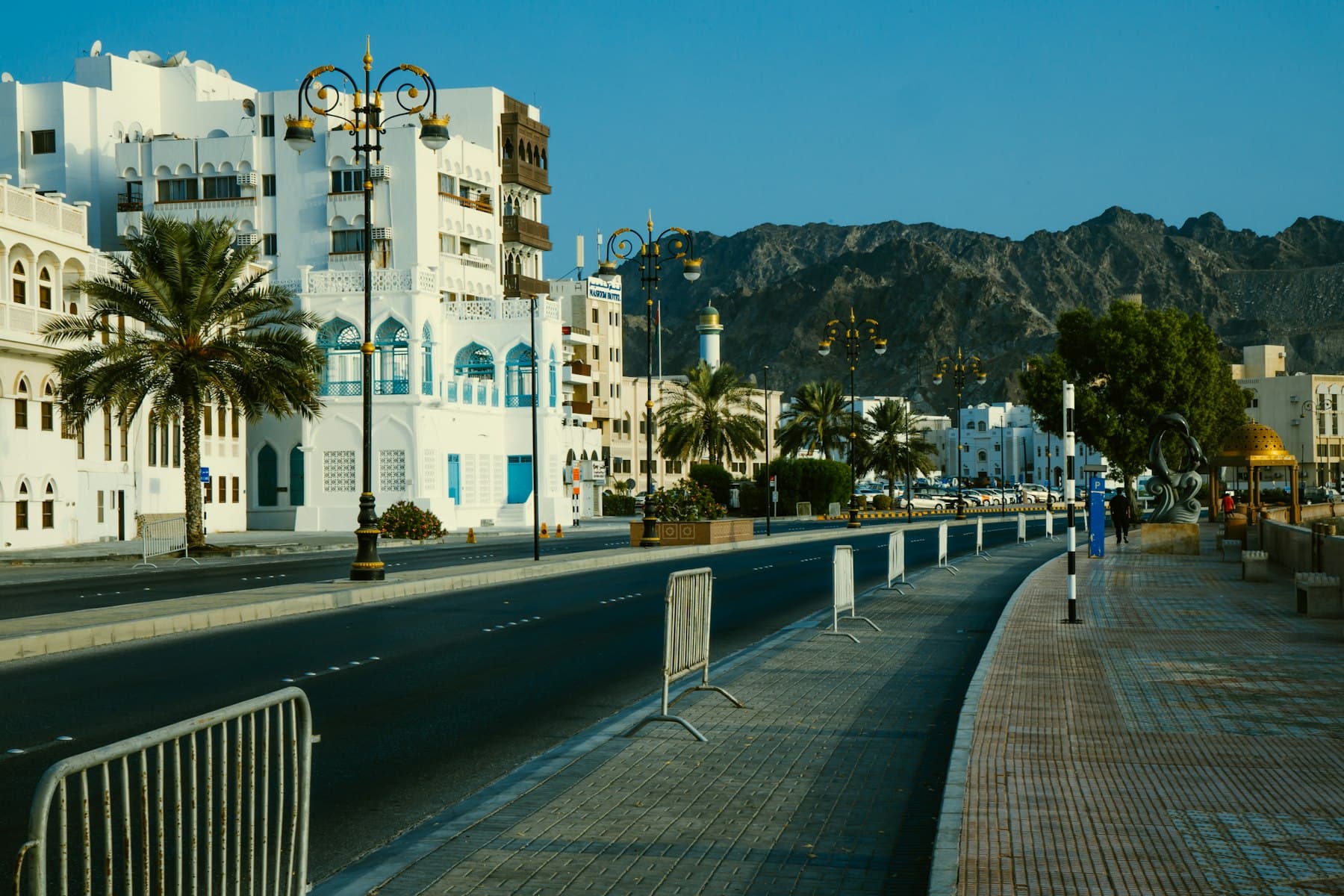
Sultan Haitham City
Oman’s first fully planned city, developed under the Ministry of Housing and Urban Planning on the western side of…
Explore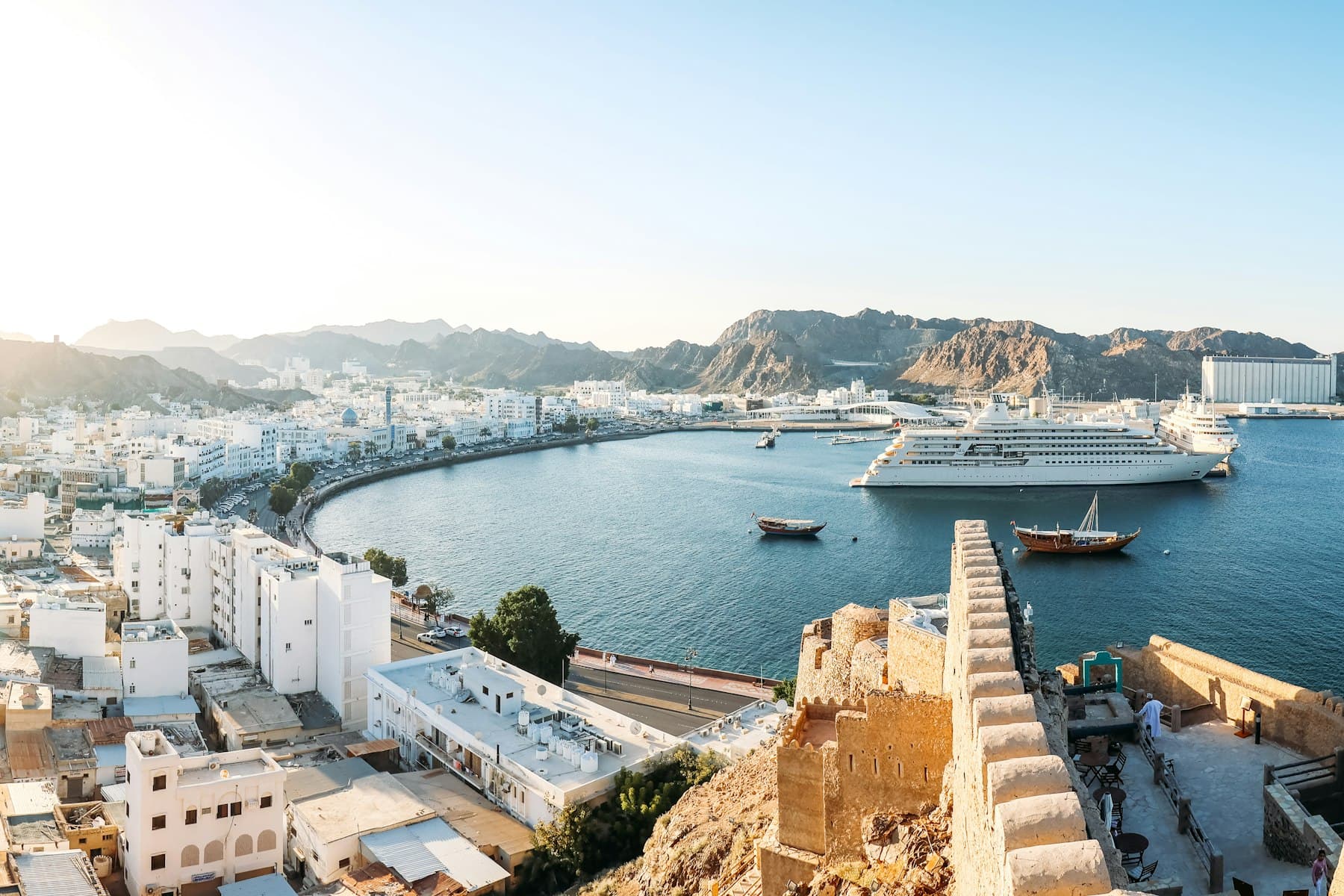
Muscat Hills
A golf-course community in Muscat’s western suburbs with completed villas and apartments, close to the airport and the…
Explore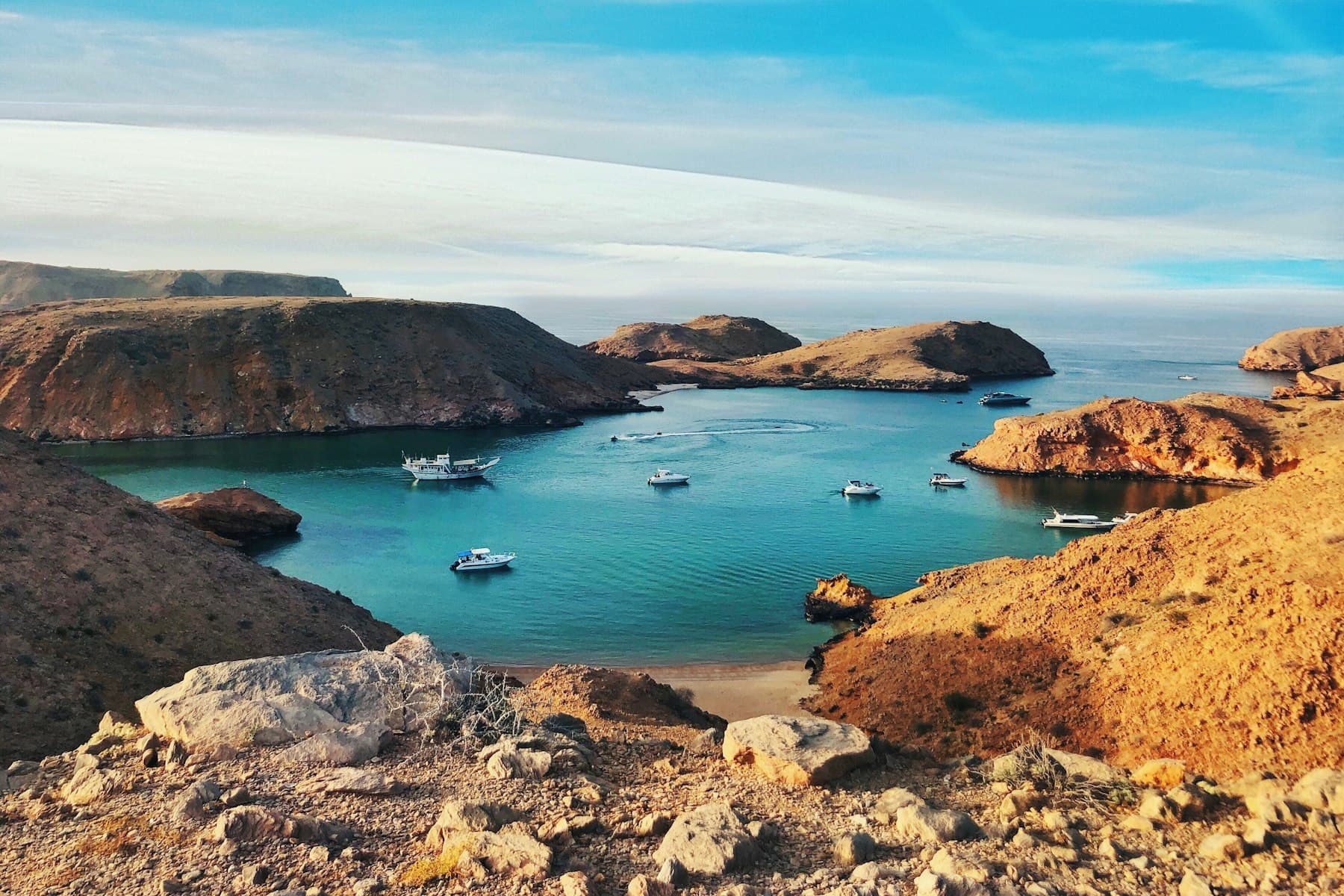
Muscat Bay
A resort village set between the mountains and the sea on the coast south-east of Muscat, with hotel-branded…
Explore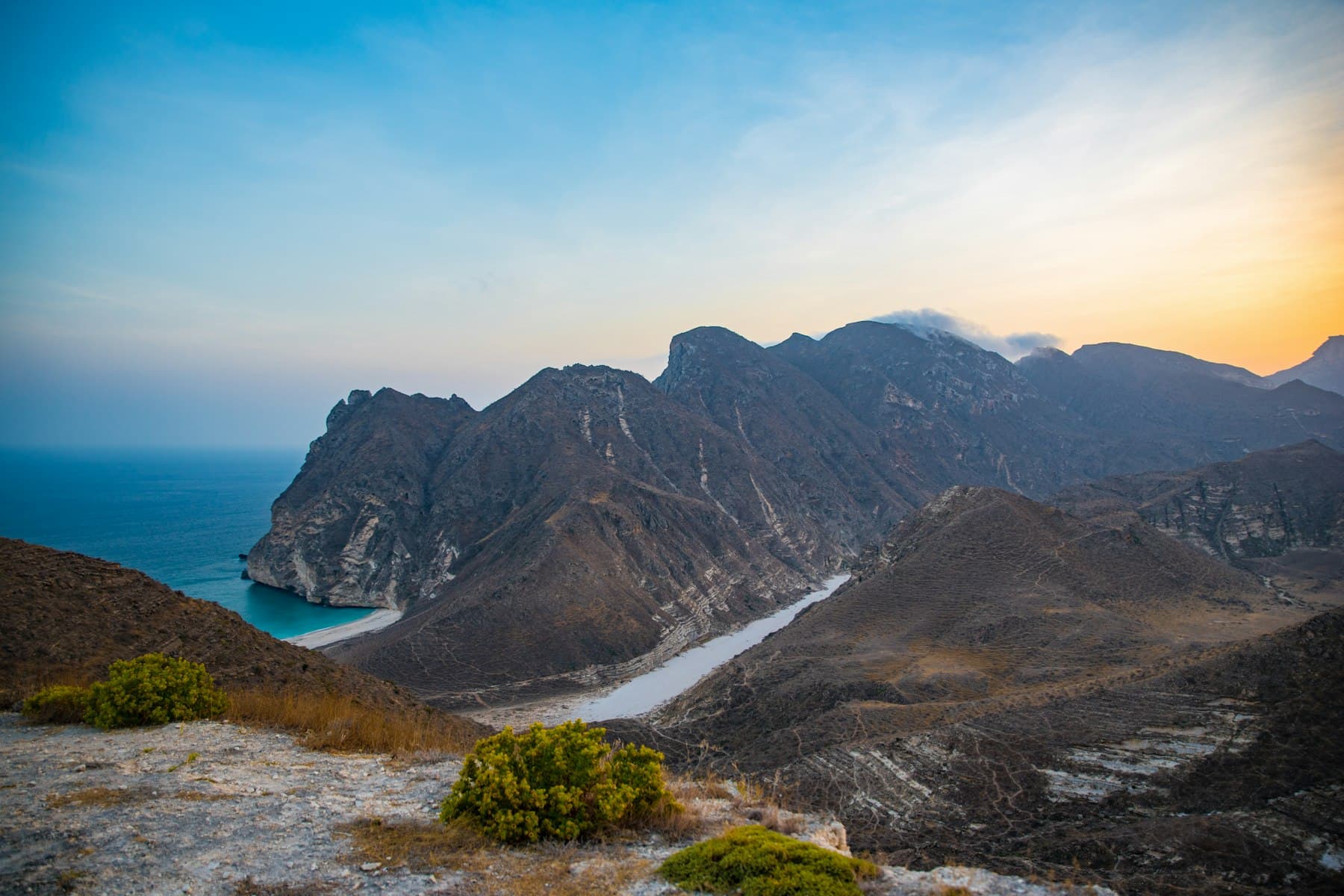
Barr Al Jissah
One of Muscat’s most dramatic stretches of coast: cliffs, coves and resort hotels a short drive from the old city,…
Explore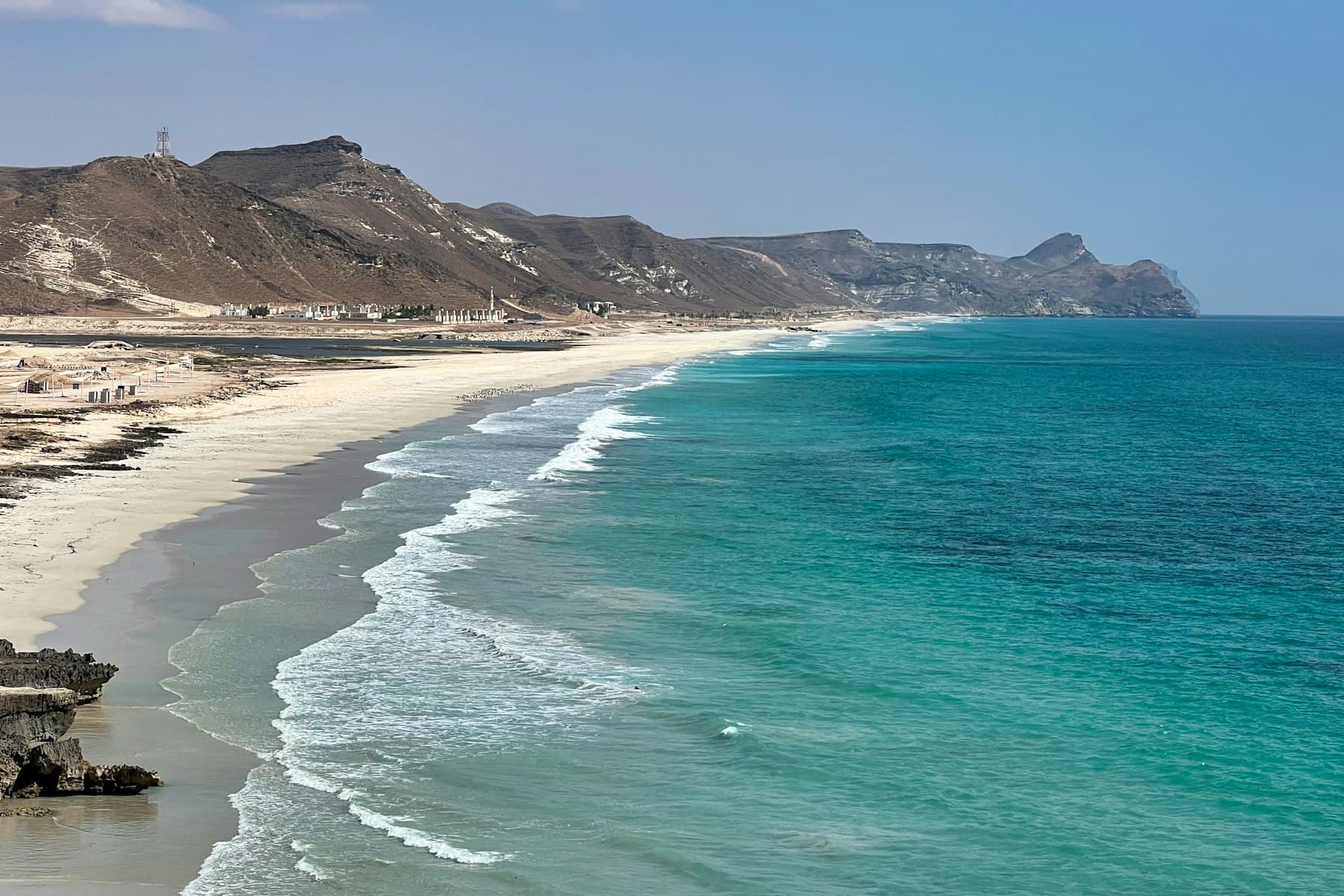
Hawana Salalah
A beachfront resort community in Dhofar, southern Oman, with a marina, lagoons, hotels and homes on a long sandy…
Explore
Yiti
The coast south-east of Muscat where two large masterplans are taking shape: a clifftop golf and branded-residence…
ExploreFrequently asked questions
Where can foreigners buy property in Oman?
Which is the best area in Oman to buy property?
Which community is best for residency?
How far are the communities from the airport?
Is Salalah a good place to buy?
Can I buy in old Muscat or Muttrah?
Are the resort communities lived in year-round?
Do I need a car?
Page reviewed 2 November 2026. Availability, prices, payment terms and residency rules are confirmed in writing before you commit and may change.