

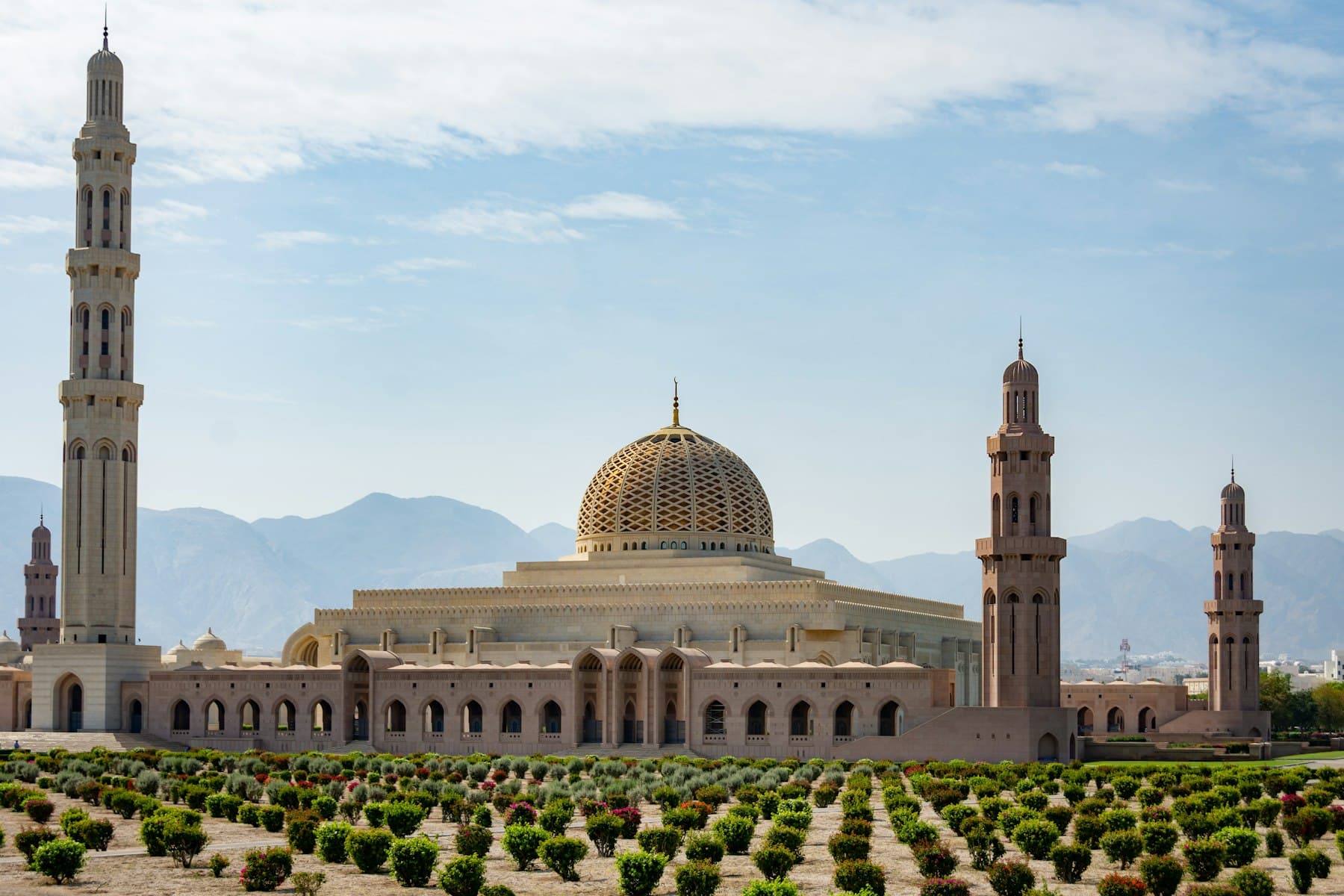
- Among the most stable and safest states in the region
- Freehold for all nationalities in designated communities since 2006
- No personal income tax today; 5% above OMR 42,000 from 2028
- Sponsor-free residency through property since June 2026
Why Oman, in one page
Oman is the Gulf without the Gulf premium. It has the region’s stability and safety, a currency pegged to the dollar, freehold ownership for foreigners in designated communities, no personal income tax on most incomes, and since 2025 and 2026 a set of residency reforms that let a property owner live in the country without an employer or sponsor. It has done this without the density, the pricing or the pace of Dubai, which is exactly why a growing number of families and investors are choosing it.
This page sets out the case plainly: the political and economic ground, the legal framework for foreign ownership, the tax position, the residency reforms, the cost of living, the connectivity and the quality of life, with the caveats where they belong. The community guides and the ownership pages take each thread further.
Stability and governance
Oman has been governed as a stable sultanate for more than half a century, has stayed out of the region’s conflicts as a mediator rather than a party, and passed the 2020 succession to Sultan Haitham bin Tariq without disruption. Vision 2040, the national development plan, sets the direction: diversification from oil into logistics, tourism, manufacturing and renewables, with foreign investment courted through the Foreign Capital Investment Law, the free zones and the residency reforms. The country consistently ranks among the safest in the world on crime and personal security.
The legal framework for foreign ownership
Foreigners have been able to own freehold in Oman’s integrated tourism complexes since 2006, and the framework has widened since: future cities such as Sultan Haitham City, approved projects and, under usufruct, apartments in designated multi-storey buildings. Title is registered, inheritable and, since the 2026 Real Estate Registry Law, digital. Ownership is limited to designated locations, which keeps the market orderly and is checked plot by plot. See who can buy in Oman and approved freehold areas.
Tax: what applies and what does not
| Tax | Position in Oman |
|---|---|
| Personal income tax | None today; 5% on personal income above OMR 42,000 a year scheduled from January 2028 |
| Capital gains tax on personal property | None under current law |
| Inheritance tax | None |
| Annual property tax | None |
| Registration fee on purchase | A percentage of the price on transfer, confirmed on the fee sheet |
| VAT | 5% on most goods and services; residential lettings treated differently from commercial |
| Corporate income tax | Applies to company profits, with zone holidays and small-business rates |
The 2028 change is modest by international standards and leaves most property owners untouched; we flag it in every set of numbers. See tax and compliance guidance and fees and ongoing costs.
Residency: the reforms that changed the equation
Three decisions in twelve months turned Oman into the Gulf’s most accessible residency-by-property market. In August 2025 the Investor Residency Programme was relaunched with five-year permits from OMR 250,000 and ten-year permits from OMR 500,000 of qualifying property or investment. In September 2025 buyers in Sultan Haitham City’s under-construction projects became eligible to apply for residency at 30% paid, with family included above OMR 50,000. And in June 2026 Royal Oman Police Decision No. 87/2026 made the Owner Visa sponsor-free for any foreign owner of a residential unit, with family included and no stated minimum value.
Together they mean a family can own a home and live in Oman without an employer, at an entry price far below the regional norm, and can move up to long-term permits as their holding grows. See the residency overview, residency by property and the Investor Residency Programme.
Cost of living and value
Rents, schooling, dining, domestic help and services in Muscat sit well below Dubai and Doha, and property prices follow: a freehold apartment in Sultan Haitham City starts in the mid-OMR 40,000s to mid-50,000s, and coastal villas trade at a fraction of comparable homes in the UAE. Oman’s rial is pegged to the US dollar, so values and rents hold in hard currency. Holding costs are low because there is no annual property tax and service charges are moderate outside the resort towers. See market trends.
Connectivity
Muscat International Airport has direct flights to the Gulf capitals in an hour, to Karachi, Lahore and Islamabad in about two, to Mumbai and Delhi in two to three, and to London and the European hubs in seven to eight. Dubai is an hour by air or four to five hours by road. Salalah has its own international airport. The Port of Duqm, the Sohar and Salalah ports and the free zones anchor the logistics economy that Vision 2040 is built on.
Quality of life
Oman is low-rise, uncrowded and courteous. Muscat’s coast runs for sixty kilometres with mountains behind it; the wadis, the desert and the Dhofar monsoon are weekend trips; and the pace of life is slower than the Gulf hubs by design. Healthcare and schooling serve every nationality, English is spoken everywhere that matters, and the country’s long trading history with South Asia and East Africa makes it an easy place for families from those regions to settle. People who come for a contract tend to stay; people who buy a second home tend to use it more than they planned.
The caveats
Oman is a smaller, slower market than Dubai: resale takes longer, rental yields are steadier rather than spectacular, and the new city will take years to fill. Ownership is limited to designated zones. Residency through property is eligibility to apply, renewable and tied to ownership, not a passport. Rules have changed quickly in buyers’ favour and may change again. We set these out on every page because a buyer who understands them makes better decisions than one who does not.
Who Oman suits
Gulf-based expatriate families
A home and a residency that does not depend on an employer, two hours from where they work, at a price that makes ownership possible for the first time.
Retirees and second-home buyers
The coast, the climate from October to April, the Dhofar summer, resort management and the Investor Residency tiers for larger homes.
Investors
Income-based pricing, early-phase entry in a government-led new city, a dollar-pegged currency and low holding costs.
Business owners
100% foreign ownership across most sectors, free zones, and sponsor-free residency for property-owning companies’ representatives. See business setup in Oman.
Start here
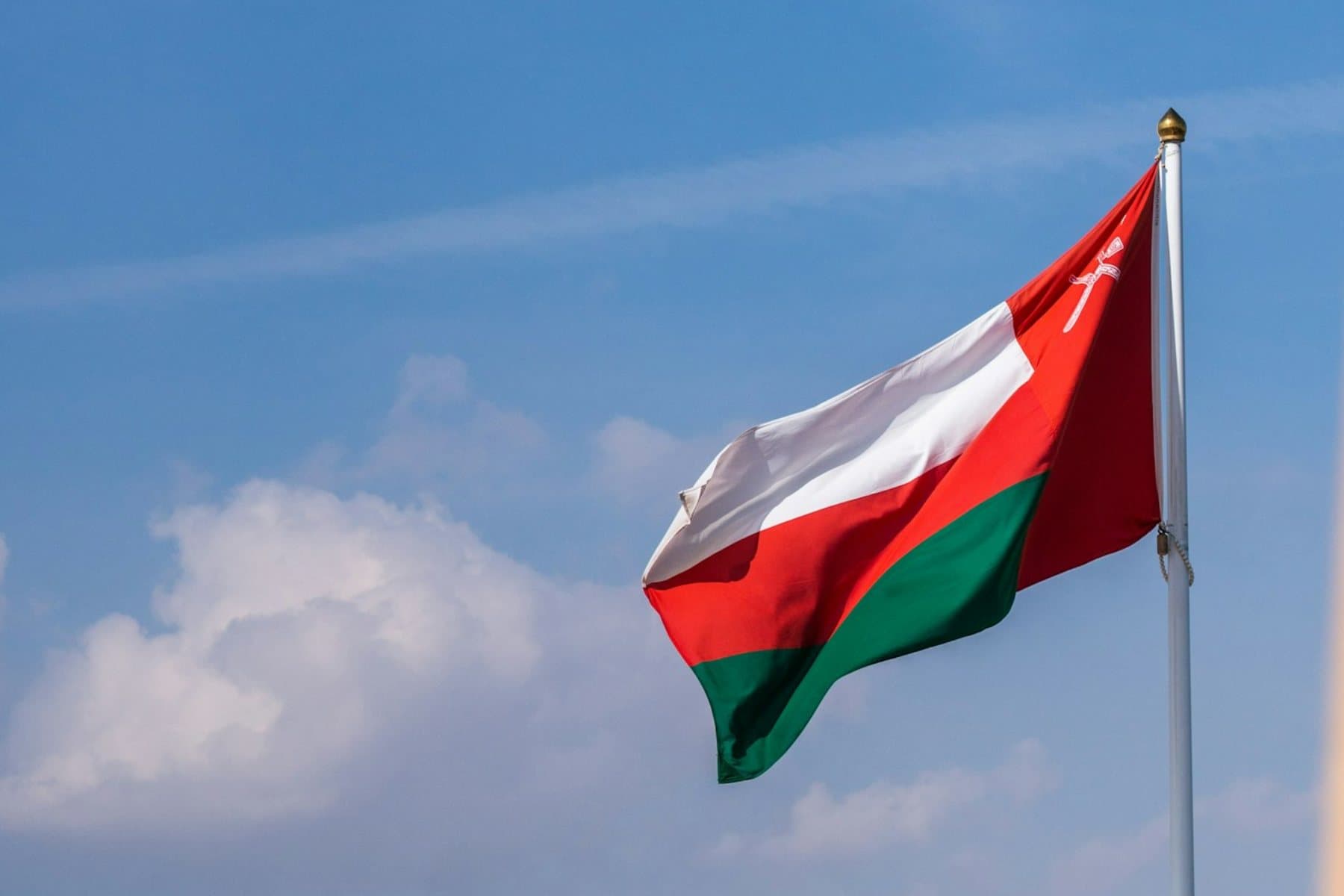
Who Can Buy Property in Oman
The rules for foreign and GCC buyers: all nationalities can own freehold in designated communities, GCC citizens have…
Explore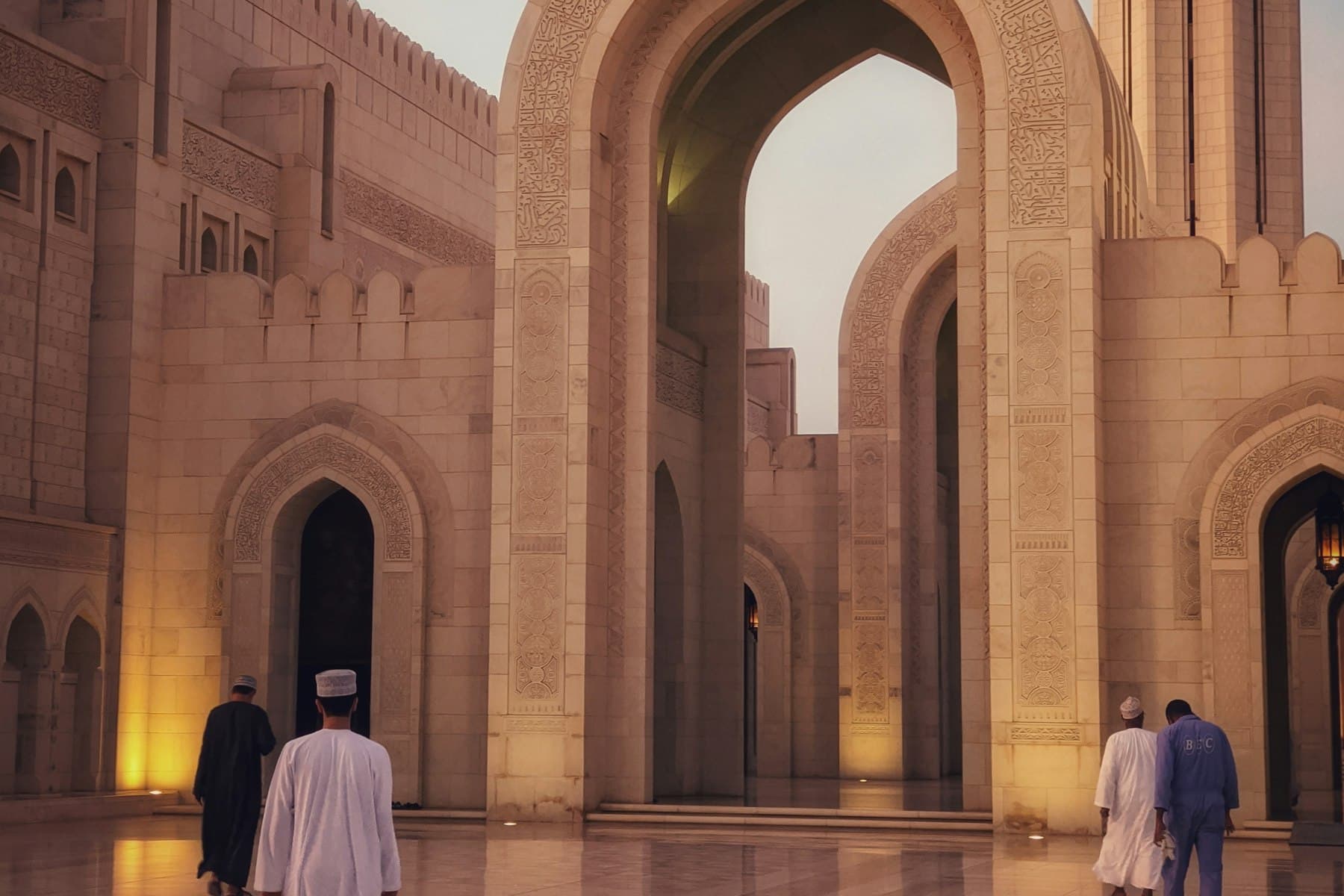
Residency in Oman: Overview
The main routes to living in Oman, how they differ from ownership, and what each requires, in plain language.
Explore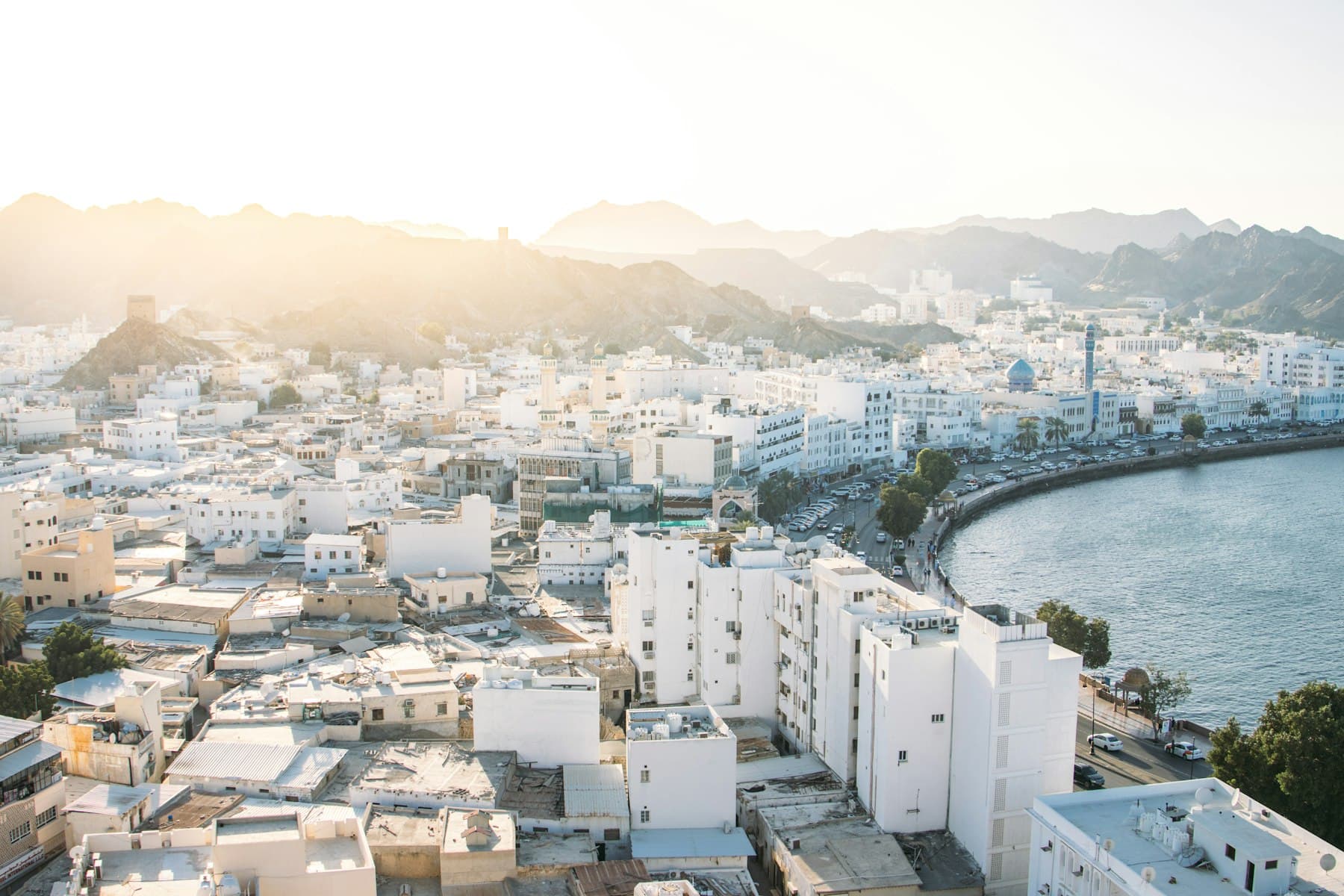
Where to Buy in Oman
The communities open to international buyers, from Muscat’s marina districts to the beach towns of Salalah, and what…
Explore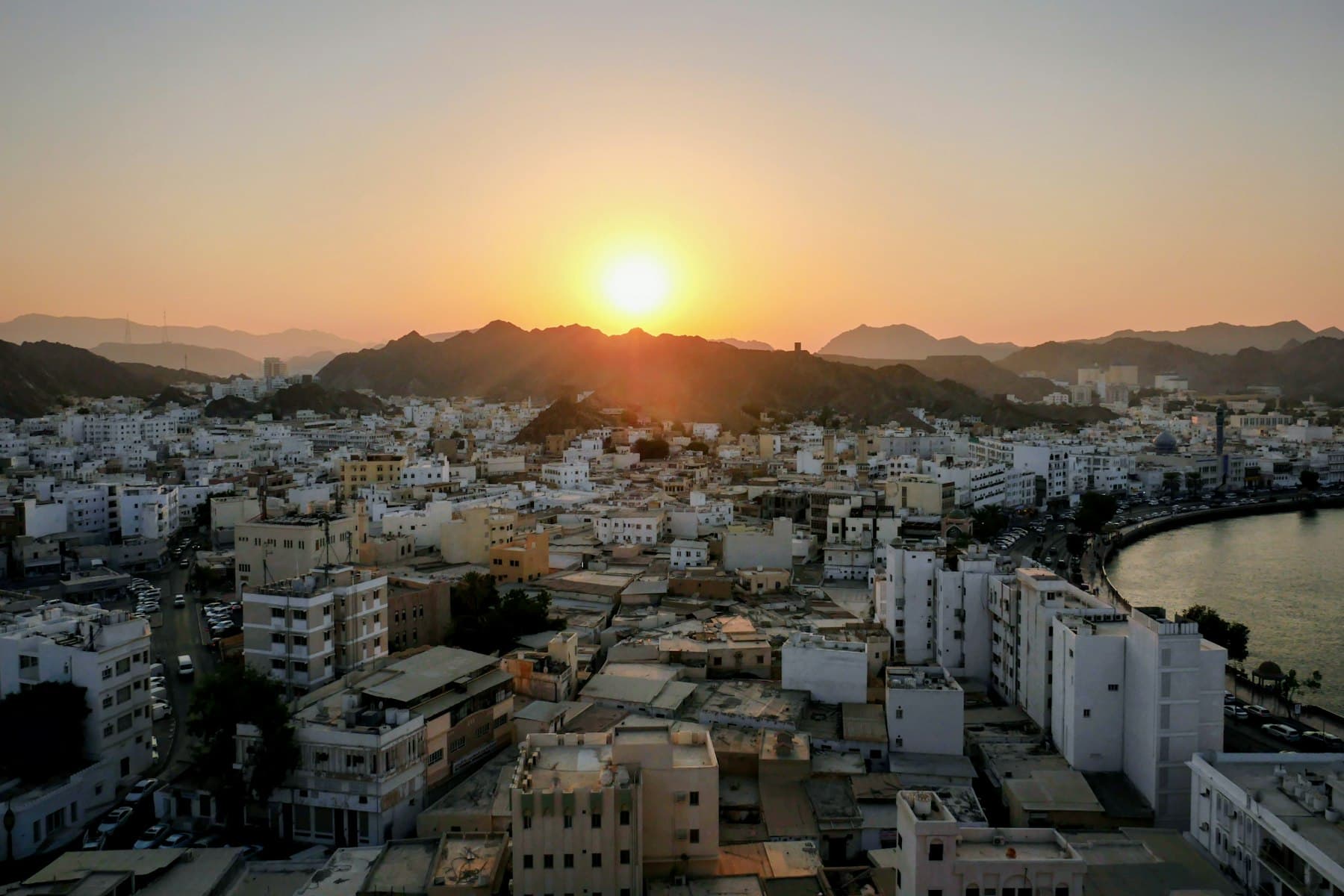
Market Trends & Opportunities
Where Oman’s property market is heading, drawn from official transaction data and the policy changes reshaping who can…
ExploreFrequently asked questions
Is Oman a safe country to buy property in?
Is there income tax in Oman?
Can foreigners own property outright in Oman?
Does buying property give residency in Oman?
How does Oman compare with Dubai?
Is Oman good for Pakistani and Indian families?
What is the currency risk?
What are the downsides?
Page reviewed 2 November 2026. Availability, prices, payment terms and residency rules are confirmed in writing before you commit and may change.