

- Five freehold communities open to all nationalities
- International schools, hospitals and the airport within the city
- Low-rise, safe and uncrowded by Gulf standards
- Residency through a registered home, or at 30% paid in Sultan Haitham City
Muscat for property buyers: the overview
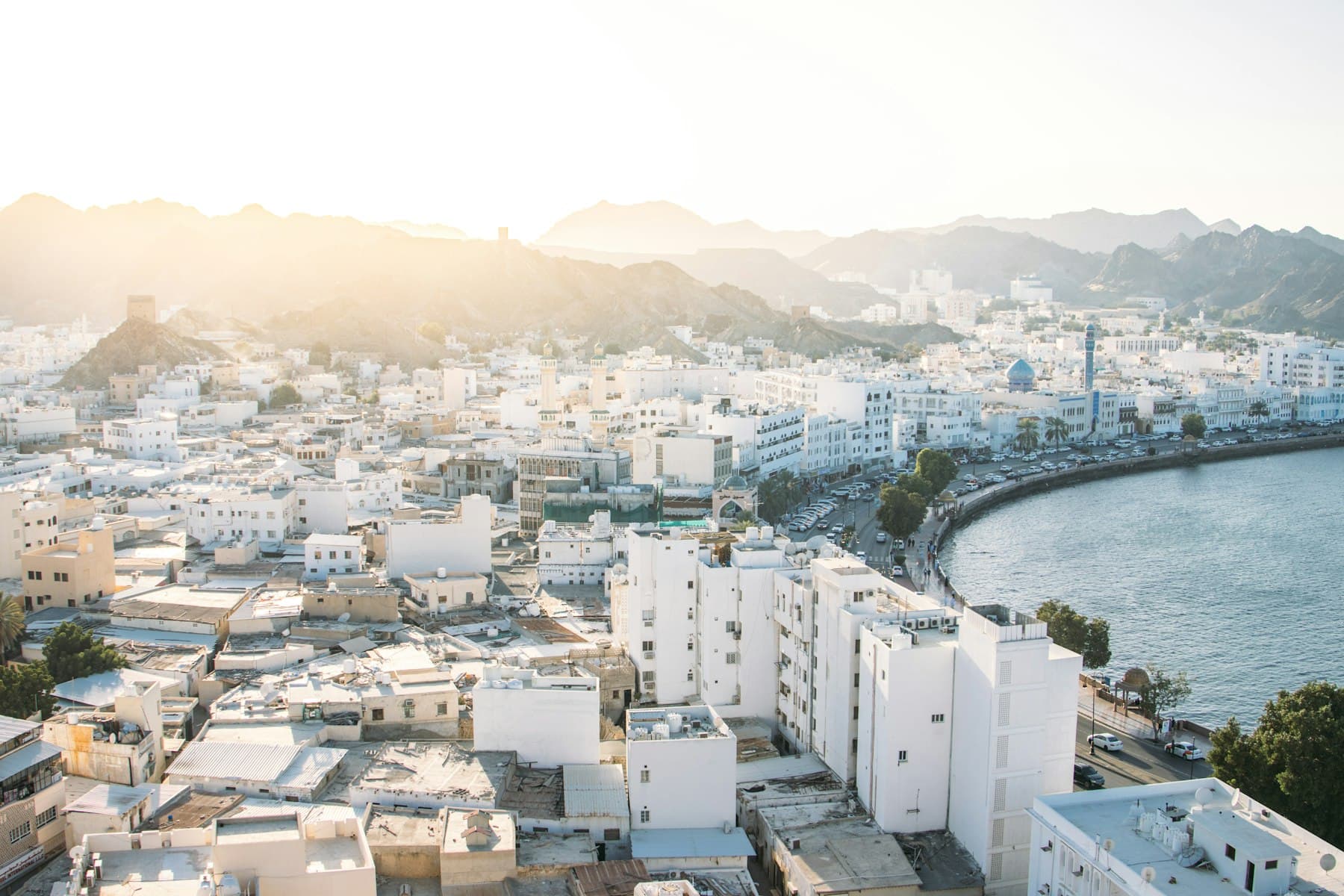
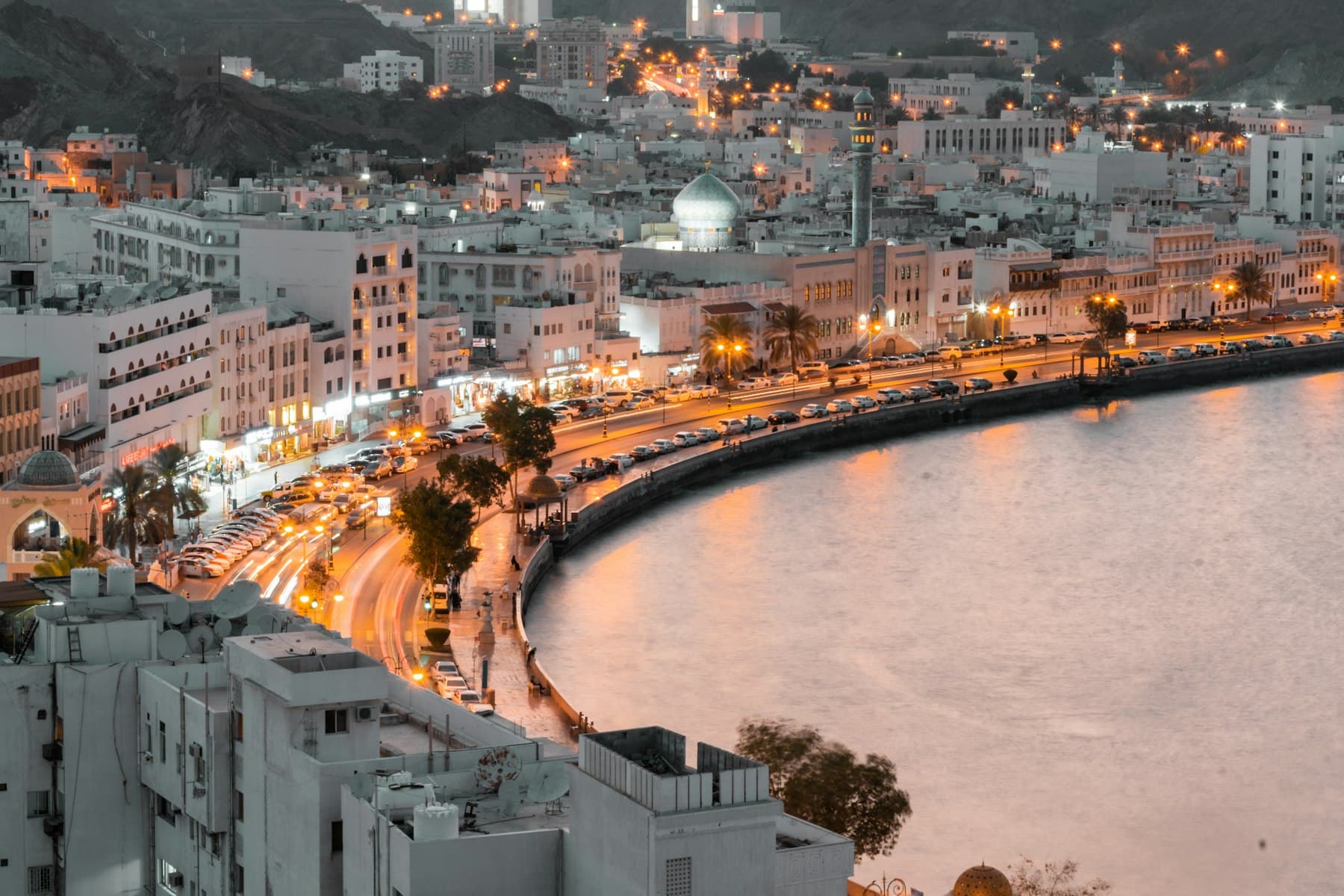
Muscat is not one city but a string of districts along sixty kilometres of coast, held between the Hajar mountains and the sea. It is low-rise by law and by habit, with white and sand-coloured buildings, a working port at Muttrah, a modern business belt along the expressway and, at its western end, the airport and the newest communities. Around 1.5 million people live in the governorate, a large share of them expatriates, which is why schools, hospitals and supermarkets serving every nationality already exist.
For a foreign buyer the capital offers the country’s established freehold communities and nearly all of its resale market. Al Mouj and Muscat Hills sit by the airport; Muscat Bay, Barr Al Jissah and Yiti lie on the dramatic coast south-east of the old city; and Sultan Haitham City is rising inland in Al Seeb. This guide explains the geography, the districts, what daily life costs and looks like, and how the communities differ, before each community’s own page goes deeper.
The lie of the land: Muscat’s districts
| Area | Character | Relevance to buyers |
|---|---|---|
| Al Seeb and the airport corridor | Western end: airport, Al Mouj, Al Hail, Al Khoudh, the university | Where most freehold stock and the new city are; schools and services |
| Bausher, Al Khuwair, Madinat Al Sultan Qaboos | The business and embassy belt along the expressway | Offices, malls, the best-known international schools; no freehold for foreigners |
| Qurum and Shatti Al Qurum | Beach, parks, older villas and hotels | Established expatriate rental district; no freehold for foreigners |
| Ruwi and Muttrah | Commercial heart and the historic port and souq | Character and history; usufruct only |
| Old Muscat | The Sultan’s palace, forts and museums | Visiting, not buying |
| Bandar Jissah, Yiti and the south-east coast | Cliffs, coves and resort masterplans | Muscat Bay, Barr Al Jissah, Yiti: freehold resort living 40 minutes out |
Where foreigners can buy in Muscat
Five places in the capital are open to foreign freehold ownership today, each with a distinct offer.
Al Mouj
The reference community: marina, beach, links golf and The Walk, next to the airport. The deepest resale and rental market in Oman; apartments, townhouses and villas.
Muscat Hills
A completed golf community between the airport and the city. Quieter than Al Mouj, family-oriented, mostly resale.
Sultan Haitham City
The planned new city in Al Seeb: the lowest entry price on freehold title and a residency rule that starts at 30% paid. First handovers from December 2026.
Muscat Bay and Barr Al Jissah
Resort living on the coast south-east of the old city: hotel-branded residences and villas at Muscat Bay; a small number of premium homes beside the Shangri-La resorts at Barr Al Jissah.
Yiti
The next coastal corridor: AIDA’s clifftop golf and branded residences and the Sustainable City, both off-plan.
Schools, healthcare and services
Muscat’s international schools include British, American, Indian and Pakistani curriculum options, most of them in the western half of the city within easy reach of Al Mouj, Muscat Hills and the new city. Healthcare combines a well-regarded public system with private hospitals that most expatriates use; the Royal Hospital, the university hospital and the main private groups are all along the expressway corridor. Malls, supermarkets and restaurants cluster in Al Khuwair, Qurum, Al Mouj and the airport corridor; the city is car-based with no metro, and ride-hailing covers the centre.
Cost of living and prices
Muscat is materially cheaper to live in than Dubai or Doha: rents, schooling, dining and services all sit below the Gulf hubs, and there is no personal income tax today. Property follows the same pattern. Entry prices for a freehold apartment start in Sultan Haitham City from the mid-OMR 40,000s to mid-50,000s; Al Mouj and Muscat Bay sit well above that; villas run from the low six figures in rials in the new city to several hundred thousand on the coast. We do not print price lists because they move with every release; the current one is sent on request. See market trends and fees and ongoing costs.
Getting around and getting away
Muscat International Airport is on the western side of the city, next to Al Mouj, with direct flights across the Gulf and to Karachi, Lahore, Islamabad, Mumbai, Delhi, London and the European hubs. The Muscat Expressway runs the length of the city; the coast road south-east reaches Muscat Bay in about forty-five minutes and Jebel Sifah in about an hour. Dubai is an hour’s flight or a four-to-five-hour drive via the Hatta or Al Ain crossings, which matters to owners who keep a foot in the UAE.
Residency through a Muscat home
A completed, registered home in any of the capital’s freehold communities supports the sponsor-free Owner Visa under ROP Decision 87/2026, with spouse and first-degree relatives included and no stated minimum value. In Sultan Haitham City the September 2025 rule brings eligibility forward to 30% paid during construction, with family included above OMR 50,000. Villas and larger homes at OMR 250,000 and OMR 500,000 reach the five- and ten-year Investor Residency tiers. Details in residency by property.
Renting out property in Muscat
The capital has the only deep rental market in the country. Al Mouj carries short-let and corporate demand; Muscat Hills and the Qurum belt let to families on annual contracts; Sultan Haitham City’s market will form as neighbourhoods hand over from December 2026. Tenant demand tracks the expatriate workforce, which has grown with the government’s diversification programme, the airport, the port at Duqm and the new city. We give you current comparable rents with every shortlist. See rental and leasing.
Buying in Muscat from abroad
- Brief and shortlistCommunity, type and purpose; current units with plans, prices and payment terms.
- Viewing trip or videoTwo days on the ground covers the capital’s communities; or a live walk-through by our adviser.
- Reserve and signReservation, deposit and sale agreement, remotely if needed.
- Register and take keysTitle registered under a limited power of attorney if you are abroad.
- ResidencyOwner Visa on registration, or at 30% paid in Sultan Haitham City.
Full detail in buying from abroad and the buying process.
Who buys in Muscat
Expatriate professionals already working in Oman who want to own rather than rent; families based in the UAE, Saudi Arabia and Qatar, including large numbers of Indian and Pakistani households, who want a Gulf home and a residency that does not depend on an employer; and investors who prefer Muscat’s income-based pricing to Dubai’s momentum. The capital suits all three because the services, schools and tenants are already here.
Freehold communities in Muscat
Al Mouj Muscat
Oman’s most established freehold community: a marina, a links golf course, beaches, cafés and a walkable waterfront,…
Explore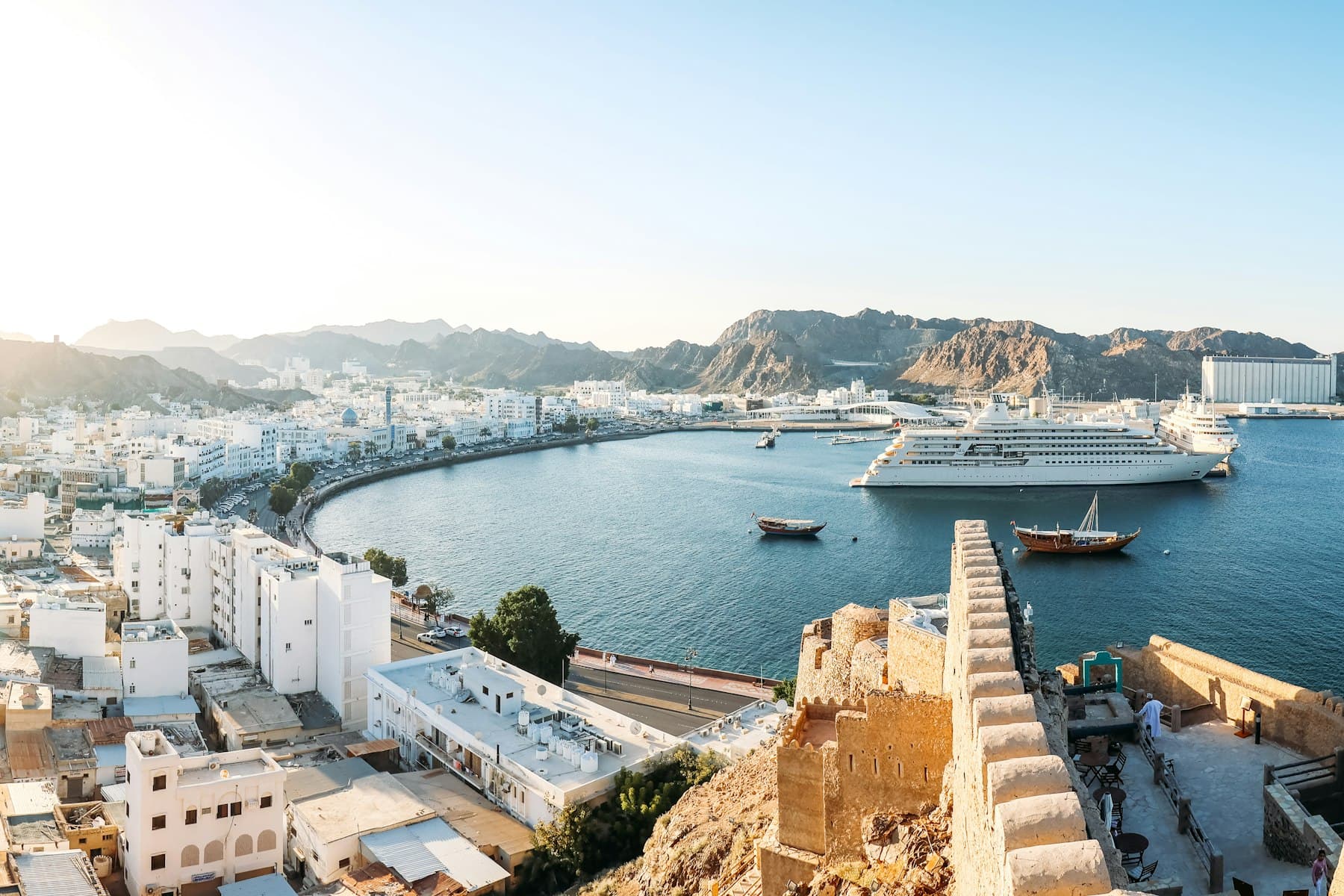
Muscat Hills
A golf-course community in Muscat’s western suburbs with completed villas and apartments, close to the airport and the…
Explore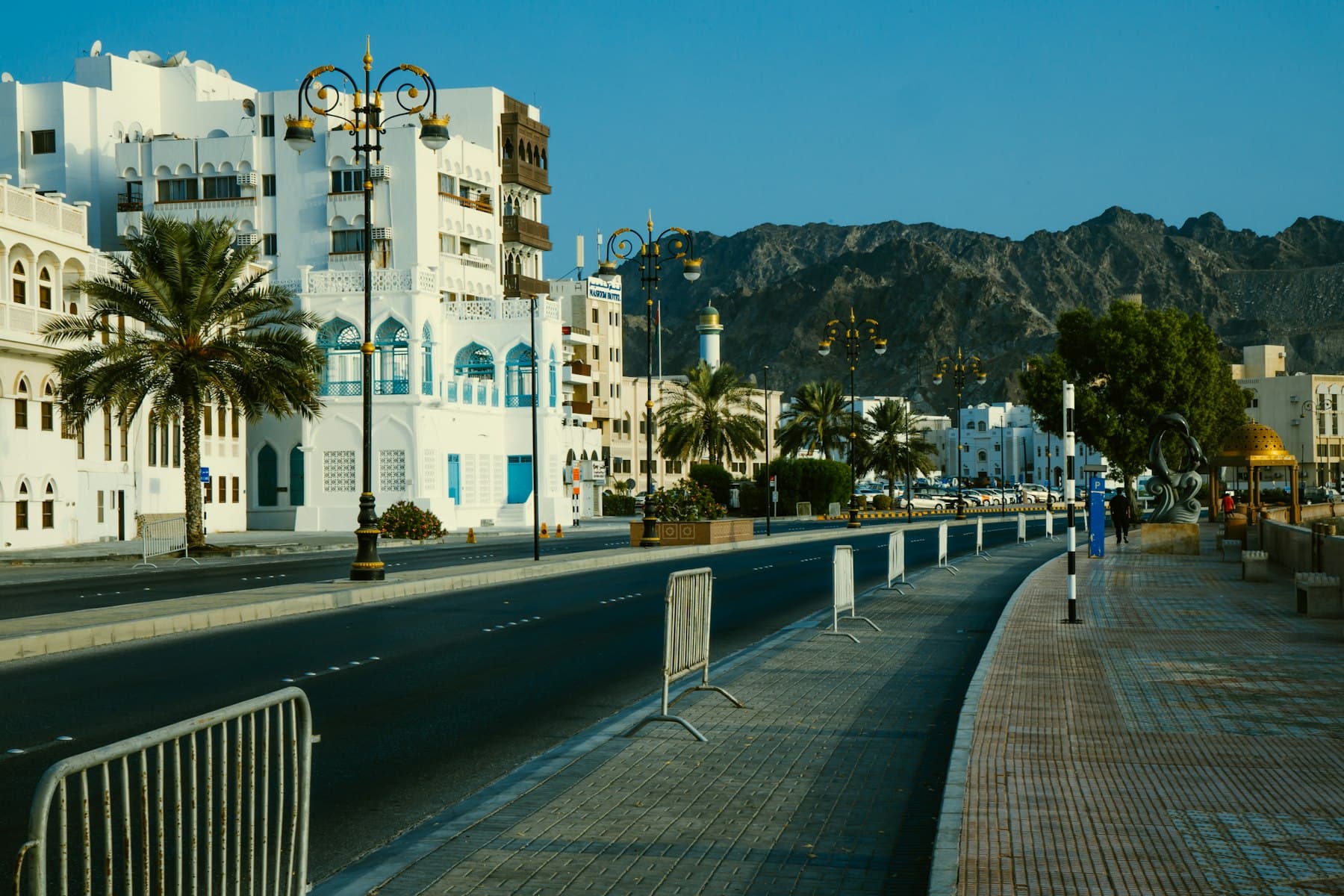
Sultan Haitham City
Oman’s first fully planned city, developed under the Ministry of Housing and Urban Planning on the western side of…
Explore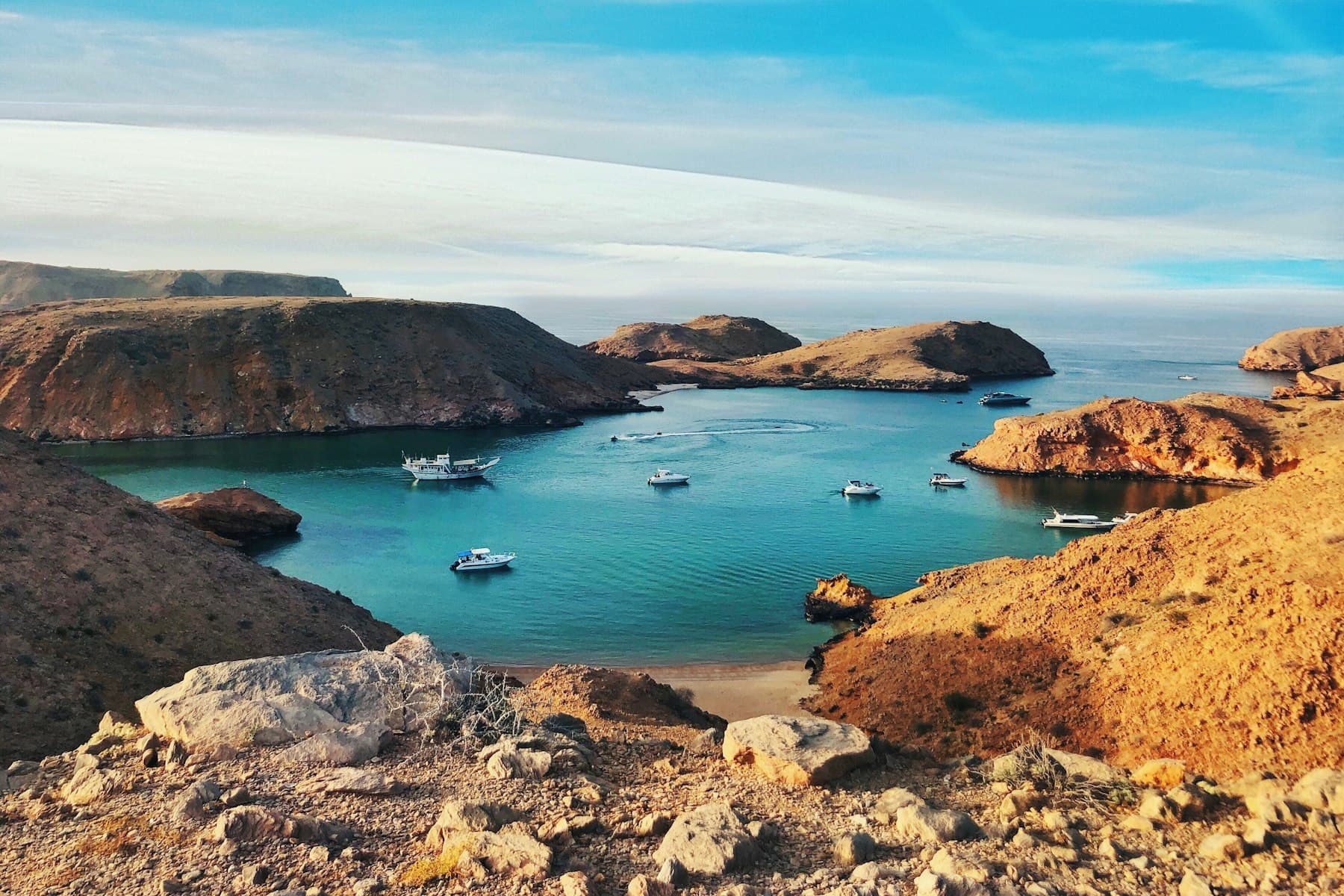
Muscat Bay
A resort village set between the mountains and the sea on the coast south-east of Muscat, with hotel-branded…
Explore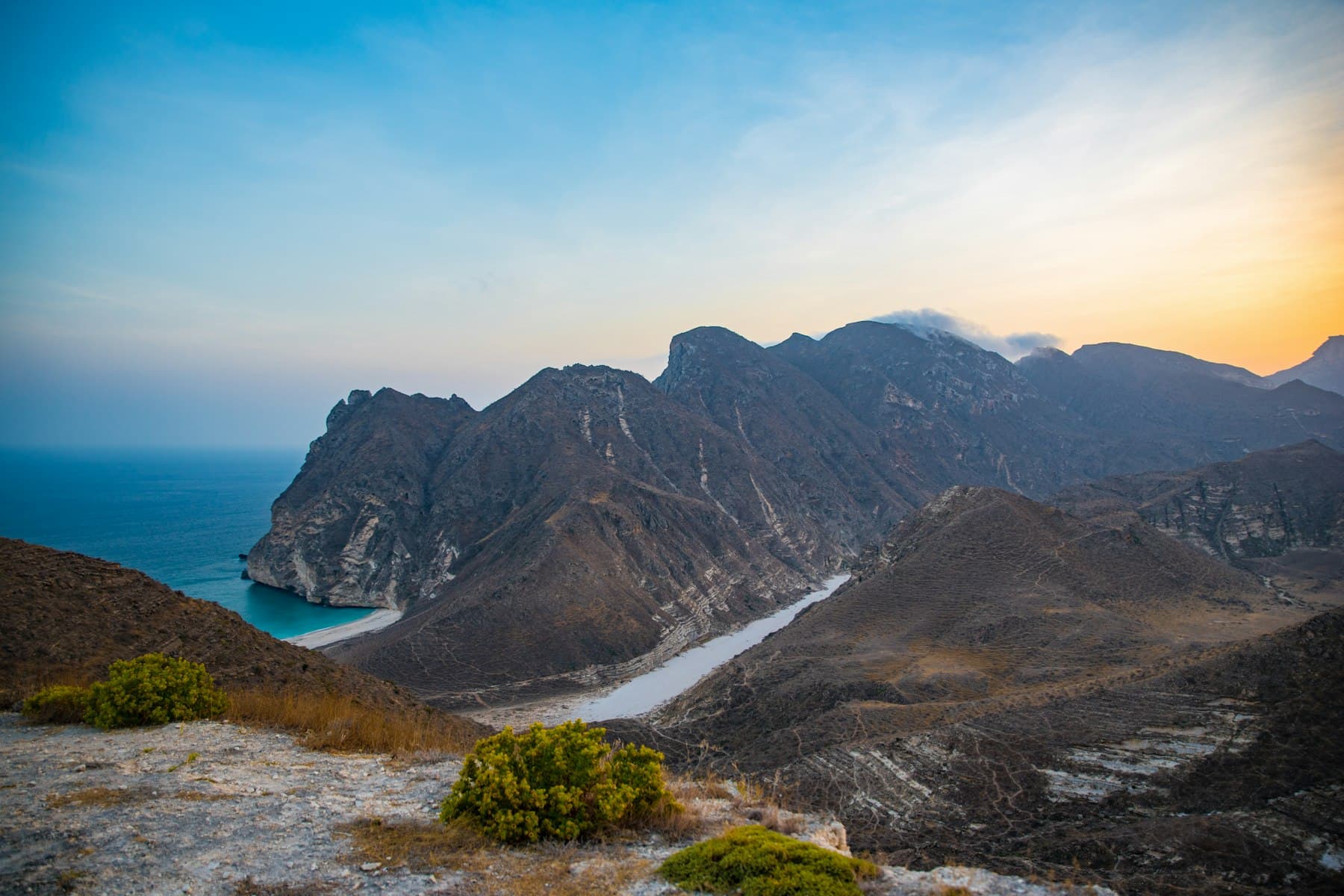
Barr Al Jissah
One of Muscat’s most dramatic stretches of coast: cliffs, coves and resort hotels a short drive from the old city,…
Explore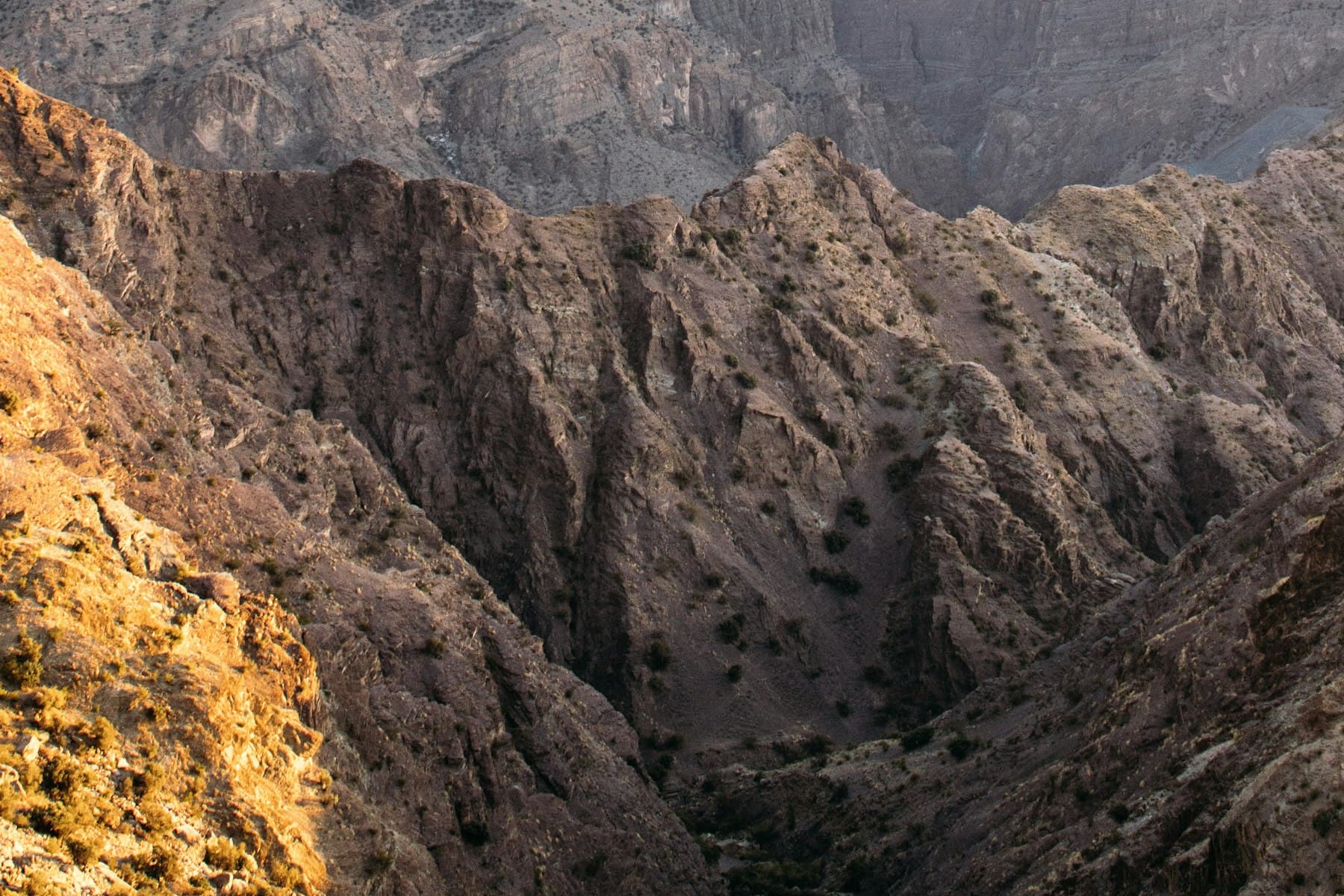
Yiti
The coast south-east of Muscat where two large masterplans are taking shape: a clifftop golf and branded-residence…
ExploreFrequently asked questions
Can foreigners buy property in Muscat?
Which is the best area of Muscat to live in?
How much does property cost in Muscat?
Is Muscat safe?
Are there Pakistani and Indian schools in Muscat?
How far is Muscat from Dubai?
Does buying in Muscat give me residency?
Is Muscat a good rental market?
Page reviewed 2 November 2026. Availability, prices, payment terms and residency rules are confirmed in writing before you commit and may change.